
Whoa! I didn’t expect a credit-card-sized device to make me rethink cold storage. Really? Yep. My first reaction was almost childish excitement. Then my brain kicked in and I started poking at the details, and oh boy—things got interesting fast. At first glance it feels like a slick gadget from a sci-fi catalog. But dig a little deeper and you see real trade-offs, design choices, and user-experience decisions that matter in the real world.
Here’s the thing. Card-based hardware wallets put the private key into a physical, tamper-resistant object. Short sentence. That fact alone shifts how you approach custody and threat models. Initially I thought hardware wallets were all about USB dongles and recovery seed paper. But then I used a card for a month and realized the ergonomics are different, and so is the mental model. My instinct said: this could actually help folks who hate scribbling seeds on paper. Hmm… though there are caveats.
Let me lay out what I liked and what made me raise an eyebrow. First, the tactile confidence—holding a thin card in your wallet feels natural. It fits in a leather billfold without looking like a piece of tech. Second, NFC interaction removes the cable mess; you just tap with your phone and sign. That simplicity is powerful. But on the flip side, simplicity can mask complexities. On one hand, it’s delightfully simple. On the other hand, it can lull people into complacency about backups and threat scenarios. I’m biased, but user habits are the hard part—not the tech.
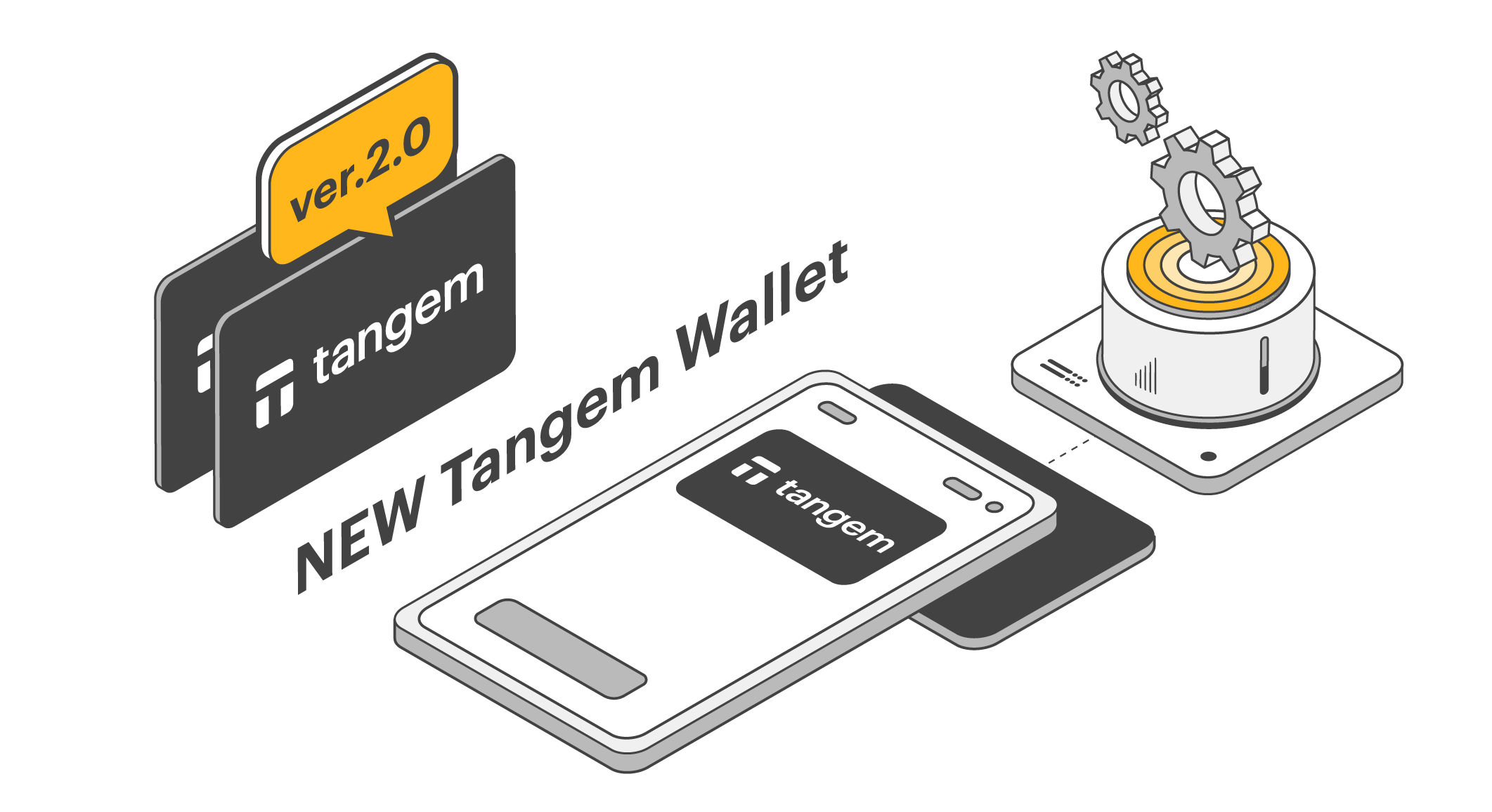
How the tangem card changed the game for me
Okay, so check this out—when I first tried the tangem card, the onboarding took under five minutes. Seriously? Yes. You tap, the app pairs, and the card generates a key that never leaves the chip. There’s a satisfying finality to that: once created, the private key lives only on the card. My first impression was: wow, magic. Then I got cautious. Actually, wait—let me rephrase that: the magic is real, though not invincible.
From a threat-model perspective, a card has advantages and blind spots. Short: it resists remote attacks. Medium: it reduces exposure to malware on your phone or PC because signing happens inside a secured element. Long: unless an attacker has physical access or can intercept the NFC session in a sophisticated way—both of which are non-trivial hurdles—your key is relatively safe. But you still need good backup strategy. On one hand, the absence of a visible seed seed-paper reduces certain social engineering attacks. Though actually, if you lose the card and haven’t backed up, that is catastrophic. So it’s not a free lunch.
Here’s what bugs me about how folks talk about cold storage. People conflate “offline” with “safe”, and they treat “one physical token” like an everlasting guarantee. That’s dangerous. Your tangem card (or any card-based wallet) is a hardware anchor, not an insurance policy. You need a plan B. My preferred pattern is a distributed backup approach: a secondary card, or a secure, encrypted backup created during setup and stored in separate locations. Something simple but redundant. I carried two cards during my first month. I also made a habit of testing recovery—don’t skip that step.
There’s also the UX reality: phones behave unpredictably. NFC stacks vary across Android devices. iPhone support has improved, but implementation quirks remain. I witnessed a failed session at a coffee shop when the barista’s Bluetooth device caused interference. Minor, yeah—but it matters when you’re signing a time-sensitive transaction. Having somethin’ else ready saves headaches. The human tendency is to assume “it’ll work” and then get blindsided. So practice the flow a couple times in safe conditions.
Cost matters. Medium-cost cards are affordable compared to high-end seed metal kits and advanced multisig setups. Long sentence: if you’re a consumer trying to move holdings offline without becoming a self-custody sysadmin, a well-designed card like tangem lowers the barrier to entry considerably, because it combines secure hardware, simple app flows, and robust cryptography into a familiar form factor.
On security details: short note—secure elements are miserably under-appreciated. Medium thought: they isolate the private key and limit exposure to side-channel extraction attempts, which raises the bar for attackers. Longer point: not all secure elements are created equal; supply chains and manufacturing provenance matter, and you should prefer audited solutions and transparent companies. That said, the average attacker targeting an individual isn’t opening chips in lab-grade equipment—most risks are social, physical theft, or sloppy backups.
I’ll be honest: I had guesses about where I’d place trust. Initially I trusted the sealed box and the brand. But then I dug into the product docs and community audits and my confidence level adjusted. On one hand, trusting a known vendor is pragmatic. On the other, vendor trust introduces centralization-like risk: what if a flaw is discovered? Do you have an escape plan? You should. My rule: always assume any single device can fail or become compromised. Plan accordingly.
Practical tips from someone who’s carried crypto cards in his wallet while running errands in the Midwest: 1) Register devices only on trusted apps. 2) Test recovery before you stash the card away. 3) Keep at least one offline recovery in a fireproof place—ideally a metal backup that resists water and fire. 4) Avoid storing public keys and metadata together with the card. Sounds obvious, but people do it. These steps are low-effort but high-impact.
Community and support matter more than people expect. When I first ran into a hiccup, community forums and the app’s support history helped me resolve things quickly. Short aside: community vibes count. Medium: if a vendor responds fast and transparently to issues, that’s a good sign. Long: if they’re opaque or defensive when security questions arise, that should make you uncomfortable, because transparency is the core of responsible cryptography culture.
Now for the parts that still bug me. One, tactile wear: cards are thin and get scratched. That doesn’t usually affect function, but it affects trust perception. Two, loss scenarios: you drop your card in a laundromat and it’s gone. Short sentence. It’s disorienting. Three, social engineering: someone could pressure you into tapping your card for a quick “sign”. These risks aren’t theoretical; they’re human.
Quick FAQ
Can a tangem card be cloned?
Short answer: no. Medium: secure elements prevent key export, making cloning infeasible for most attackers. Longer: only extreme attacks involving direct chip extraction and sophisticated lab tools could attempt duplication, and those are rare and expensive relative to typical threats.
What if I lose the card?
Have backups. Period. Short nuance: a secondary card, or a securely stored recovery method, will save you. My instinct said “it’s fine” until I practiced recovery and realized how brittle a single-token setup can be.
Is this better than multisig?
Depends. Cards are great for single-signer cold storage with great UX. Multisig offers higher resilience for larger holdings or institutional setups. On one hand, cards lower the barrier for everyday users. On the other hand, multisig solves points of failure differently, so choose based on your risk tolerance.
To wrap up this thought—no, wait—I won’t wrap up like a textbook. Finale should feel like a next-step. So here’s my short takeaway: if you want practical, accessible cold storage that fits in your wallet and doesn’t require a cryptography degree, card-based solutions are worth trying. Yet don’t treat them as magical. Practice, back up, separate locations, and test. Something felt off about the casual “set it and forget it” attitude I encountered. Take custody seriously, but remember to live your life too. Go try a card, see how it fits your workflow, and keep asking questions—because the moment you stop asking is the moment you’re exposed.